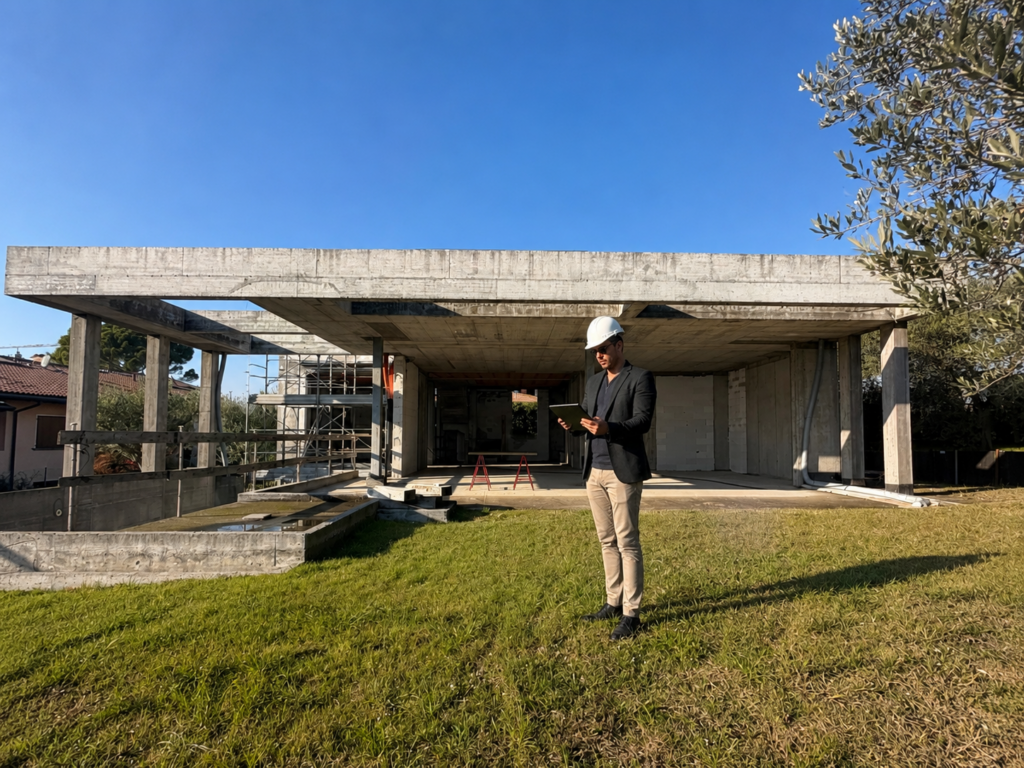
When building a new home or undertaking a major renovation, one of the most common concerns is the risk of construction delays and costs exceeding the original budget.
In most cases, however, these problems do not arise during the construction phase itself. They start much earlier: with incomplete planning, fragmented project management, or decisions made without a clear overall vision.
This is why, more than ever, working with a turnkey construction company that follows a structured process can make a significant difference.
Starting Construction Before the Project Is Fully Defined
One of the most common mistakes in any construction project is starting too early, before key aspects have been fully planned, including:
- Space layout and functionality
- Building systems and installations
- Materials
- Finishes
- Realistic budget allocation
Any change made during construction can lead to:
- Delays
- Additional costs
- Coordination issues between suppliers, contractors and trades
A well-developed project from the beginning results in a smoother, more controlled and more predictable construction process.
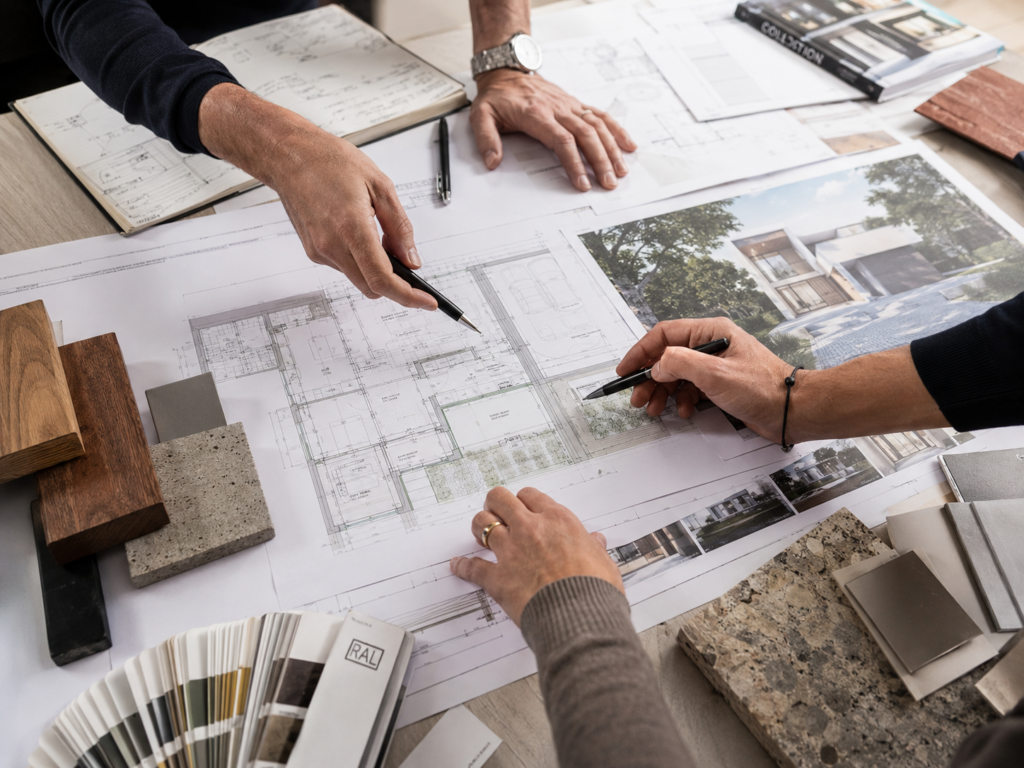
Too Many Stakeholders and Fragmented Responsibilities
When architects, contractors, craftsmen and suppliers work without a single point of coordination, the risk of the following increases:
- Execution errors
- Construction delays
- Miscommunication
- Overlapping activities
Choosing a company that manages the entire project in an integrated way provides:
- A single point of contact
- Better coordination
- Greater control over construction timelines and costs
- Clearer communication throughout the project
This is one of the key advantages of a turnkey construction approach.
Lack of Proper Construction Planning
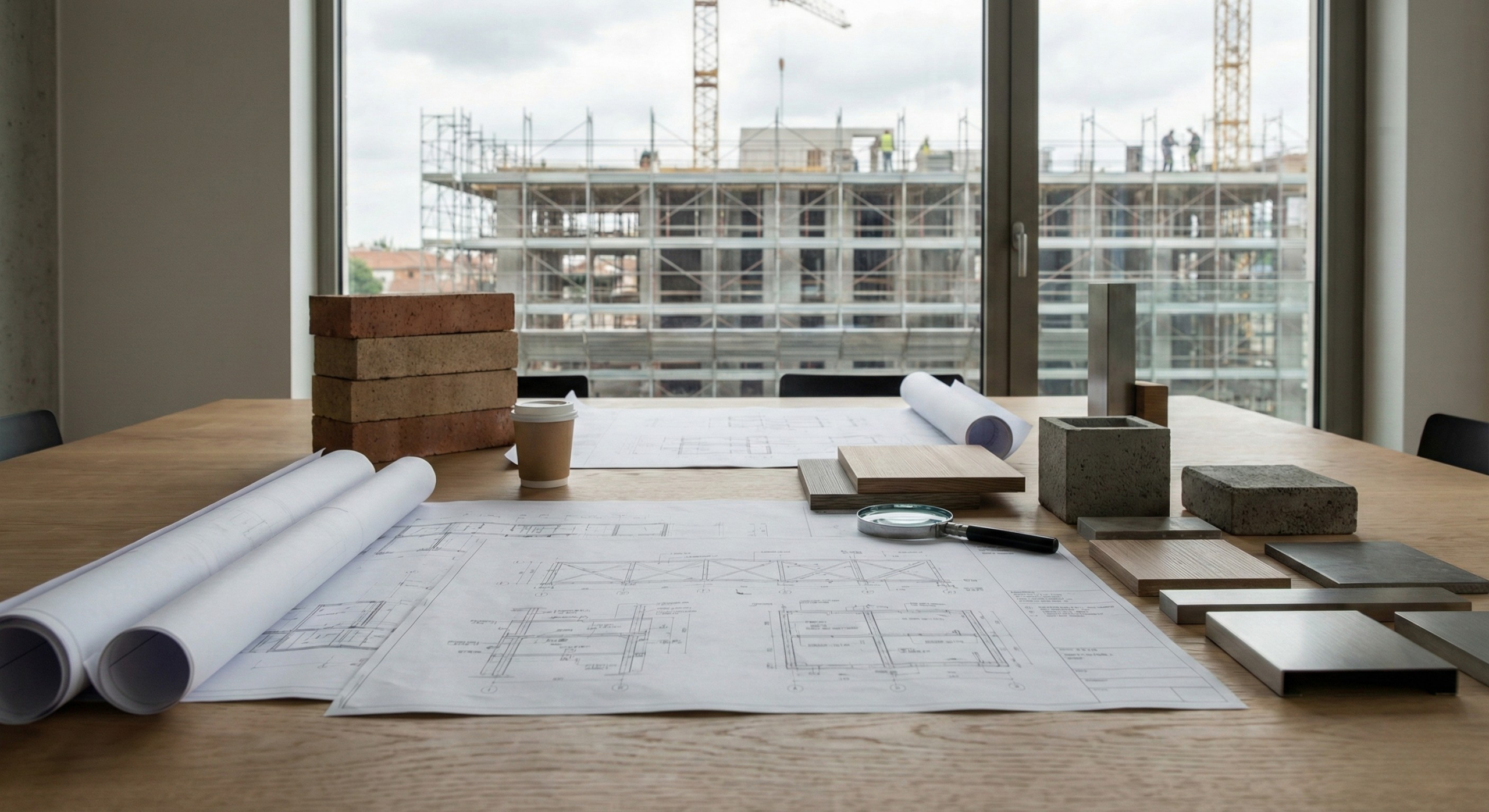
A well-managed construction site follows a detailed plan that includes:
- Scheduling
- Material procurement
- Construction phases
- Deliveries
- Technical coordination
Without proper planning, even minor unforeseen events can slow down the entire project.
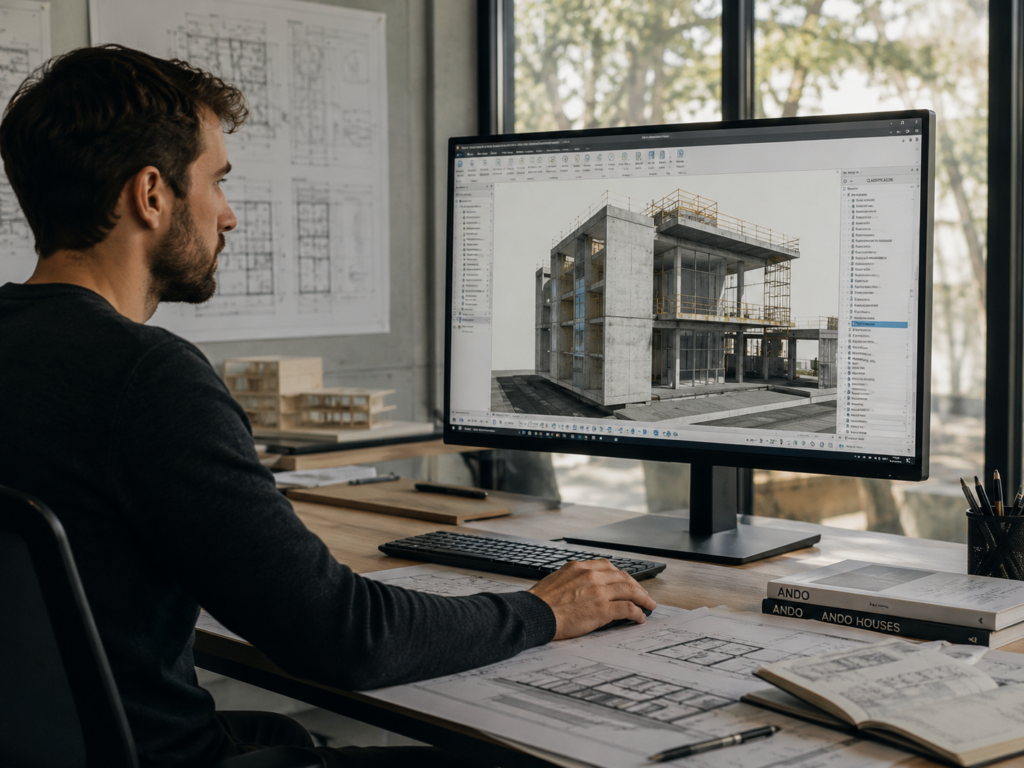
For this reason, many forward-thinking companies now rely on digital tools and technologies such as BIM (Building Information Modeling). BIM allows design and construction activities to be coordinated more efficiently, reducing errors and limiting costly changes during the building process.
Underestimating Construction Quality
In an effort to reduce initial costs, it is common to make short-sighted decisions regarding:
- Building materials
- Mechanical and electrical systems
- Insulation
- Windows and doors
- Construction details
The result?
Higher long-term costs, more frequent maintenance and reduced living comfort.
A well-built home is not only about aesthetics. It is also about:
- Energy efficiency
- Durability
- Quality of life
- Long-term property value
How to Avoid Delays and Unexpected Costs
To reduce the risk of problems during construction, it is essential to:
- Define the project in detail before work begins
- Establish a realistic budget
- Choose reliable partners
- Coordinate design and construction activities
- Use planning and project control tools
Every successful project should be based on a clear process, not on improvised decisions.
The Value of an Integrated Approach
At Fondamento, we believe that building well starts with planning and organising well.
That is why we manage every stage of the process through an integrated approach that combines:
- Architectural design
- Technical management
- Construction coordination
- Building quality
- Attention to detail
Because a home should not simply look beautiful—it should be designed to perform, endure and enhance everyday life for years to come.